
Mold vs Mildew: What's the Difference?
Mold and mildew are both fungi that grow in damp environments, but they differ in appearance, depth of growth, and health risk. Mildew is flat, powdery, and white or gray — it stays on surfaces and can usually be cleaned with household products. Mold is raised, fuzzy or slimy, and dark-colored — it penetrates into materials and often requires professional remediation. In Houston's humidity, both are common. Here's how to tell them apart.
The Short Answer
Mildew grows on surfaces, is usually flat and powdery, and can often be cleaned with household products. Moldpenetrates into materials, is usually raised or fuzzy, and may require professional remediation — especially if it's extensive or hidden behind walls.
How They Look
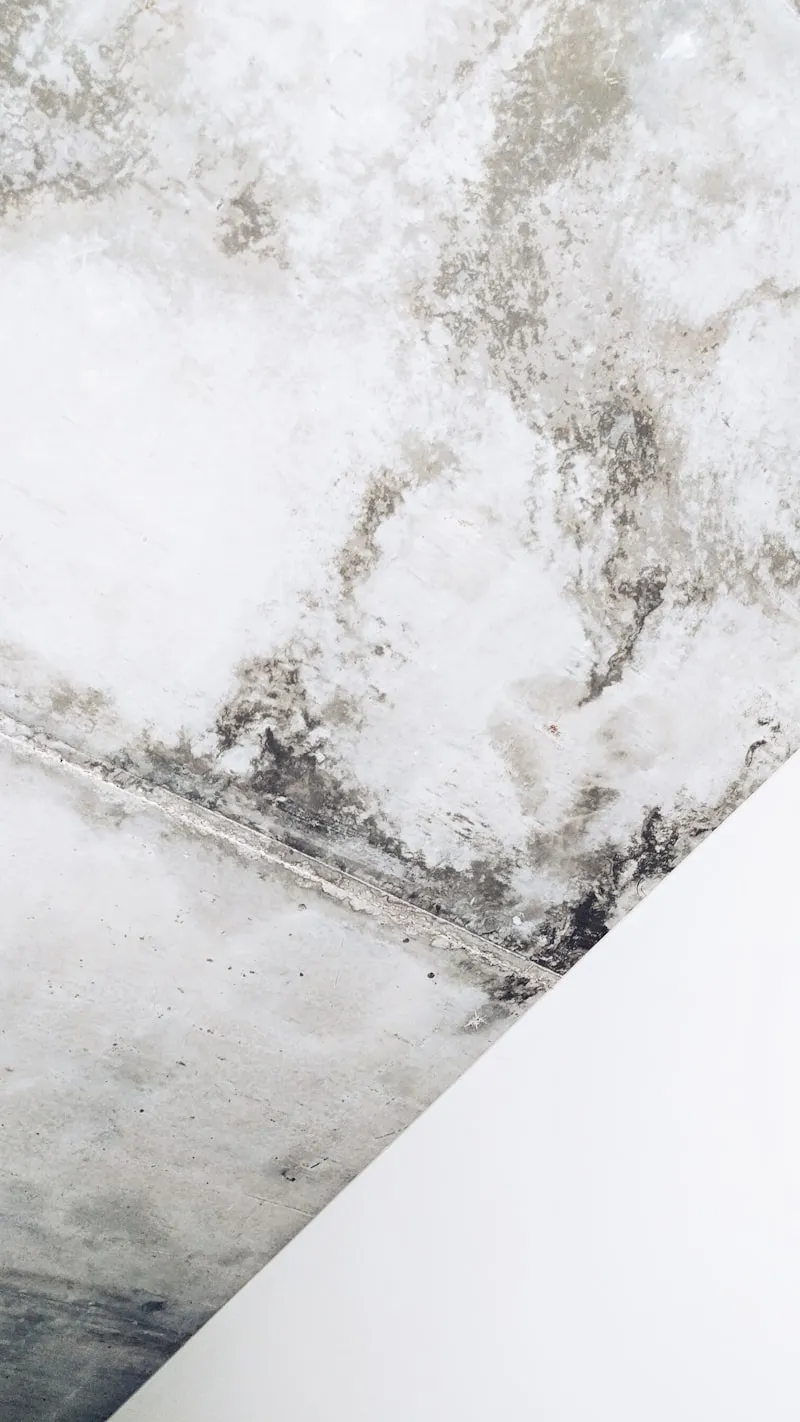
Mildew
White or gray, flat, powdery. Stays on the surface. Common on walls, tile, and windowsills.
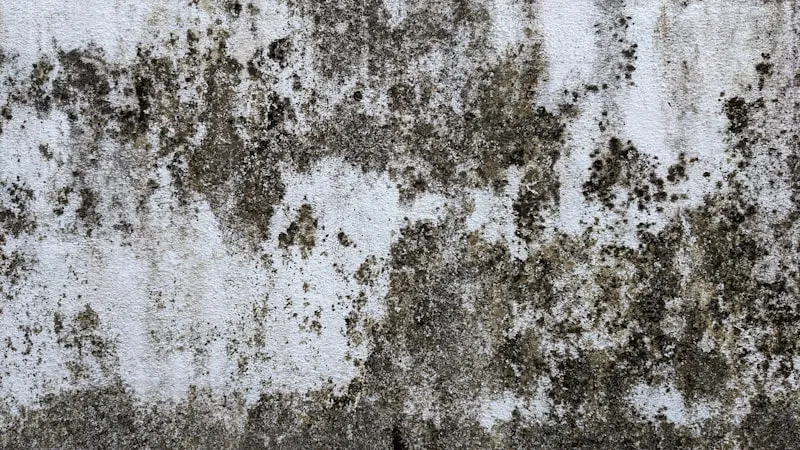
Mold
Black, green, or dark brown. Raised, fuzzy, or slimy. Penetrates into materials and spreads irregularly.
| Mildew | Mold | |
|---|---|---|
| Color | White, gray, or yellowish | Black, green, dark brown, or multi-colored |
| Texture | Flat, powdery, or downy | Raised, fuzzy, or slimy |
| Pattern | Grows on the surface in patches | Spreads irregularly, often in clusters |
| Common locations | Shower tiles, windowsills, fabric | Behind walls, attics, HVAC, garages |
Health Risks
Mildew can cause mild respiratory irritation but is generally less harmful. Mold — particularly black mold (Stachybotrys) — can produce mycotoxins that cause serious health problems including chronic respiratory issues, allergic reactions, headaches, and fatigue.
If you're experiencing persistent allergy-like symptoms at home, the problem is more likely mold than mildew.
Can You Clean It Yourself?
Mildew: Usually yes. A solution of white vinegar or diluted bleach and scrubbing will handle most surface mildew on tile, grout, or hard surfaces.
Mold: It depends. Small surface mold on non-porous materials (tile, glass) can be cleaned. But if mold covers more than about 10 square feet, is growing on porous materials (drywall, wood, carpet), or is behind walls — you need professional remediation. Disturbing mold without proper containment can spread spores throughout your home.
Why Houston Gets Both
Houston's subtropical climate — with average humidity around 75% and temperatures regularly above 90°F in summer — creates ideal conditions for both mold and mildew. Mildew tends to show up on bathroom surfaces and window frames. Mold is more common in enclosed, poorly ventilated spaces: attics, behind drywall near plumbing, and in areas affected by flooding or storm damage.
When to Call a Professional
If you're not sure whether you're looking at mold or mildew, or if you can smell something musty but can't find the source, a professional inspection will give you a clear answer. We test for species and concentration so you know exactly what you're dealing with. See our signs of mold guide for a full list of what to look for.
Wondering about cost? Our mold remediation cost guide breaks down typical pricing for Houston. You can also schedule a free inspection— we'll tell you what it is and whether you actually need us.